











 Dog
Dog
 Cat
Cat

 Sign In
 Create Account


Cats have a reputation for being independent and low-maintenance. When it comes to hydration, though, they often need more support than you might realize. This makes moisture intake an important part of everyday feeding decisions. Diet plays a meaningful role in cat hydration and overall mealtime balance. Understanding how moisture fits into feline nutrition can help you make informed choices that sync with your cat’s natural habits and preferences.
Why Hydration Looks Different for Cats
Cats naturally consume much of their moisture through food rather than drinking water alone. That’s not accidental—it’s evolutionary.
Domestic cats descended from desert-dwelling wildcats, where prey animals provided most of their hydration. Small mammals and birds are made up of roughly 70–75% water, meaning cats evolved to meet their fluid needs through eating, not frequent trips to a water source.
Because of this, cats tend to have a lower thirst drive compared to many other animals. They may not instinctively drink enough water to fully compensate for low-moisture diets. That’s why hydration for cats is often closely tied to what’s in their bowl.
If your cat doesn’t tend to drink much water throughout the day, feeding routines that rely heavily on dry food may not always reflect how cats naturally take in moisture. Recognizing this difference can help pet parents rethink how meals are structured throughout the day.
The Role of Moisture in Cat Food
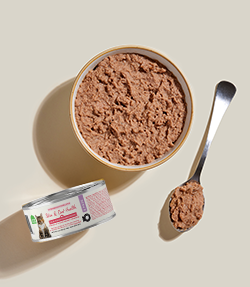
Moisture in cat food contributes to a cat’s overall daily water intake in a way that feels natural and intuitive. Wet foods typically contain significantly more moisture than dry kibble, helping mirror the hydration levels found in a cat’s ancestral diet.
Dry food generally contains around 8–10% moisture, while wet food often contains 70–80% moisture per serving. That difference can meaningfully impact total daily fluid intake—especially for cats who aren’t enthusiastic drinkers.
Moisture also plays a role in urinary balance. Cats are biologically designed to produce concentrated urine—another desert adaptation. When fluid intake is supported through meals, urine tends to be more diluted, which may help support overall urinary tract health as part of a balanced feeding routine.
Meals with higher moisture content often entice cats through aroma, texture, and mouthfeel. This can make mealtime more engaging while also supporting hydration as part of regular feeding.
Wet Cat Food Benefits Worth Knowing
There are many reasons to consider wet cat food benefits. Wet food offers built-in moisture, soft textures, and a wide range of flavors that cats usually enjoy.
Because wet food delivers hydration alongside complete and balanced nutrition, it fits seamlessly into daily routines without requiring additional steps. Serving wet food once or multiple times a day becomes a simple way to support balanced intake for many cats.
Wet food can also be served on its own or combined with dry food, giving you flexibility while supporting moisture intake in a way that aligns with feline biology.
Practical Feline Diet Tips for Better Hydration
Simple adjustments can make a noticeable difference in how cats experience their meals. These feline diet tips can help pet parents support hydration without overcomplicating feeding routines:
- Offer wet food regularly, either as a main meal or alongside dry food
- Provide fresh water in multiple locations around the home
- Consider a water fountain if your cat prefers moving water
- Experiment with textures to find what your cat prefers
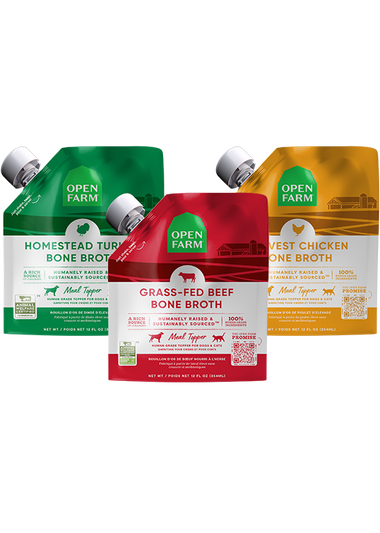
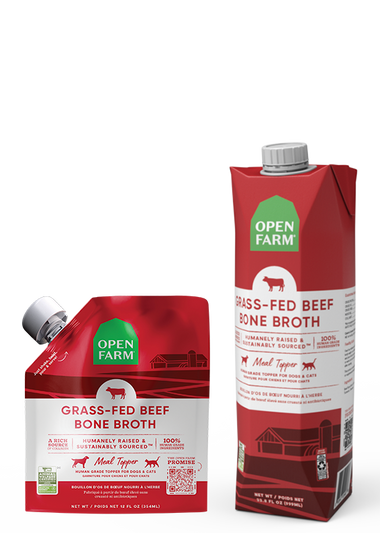
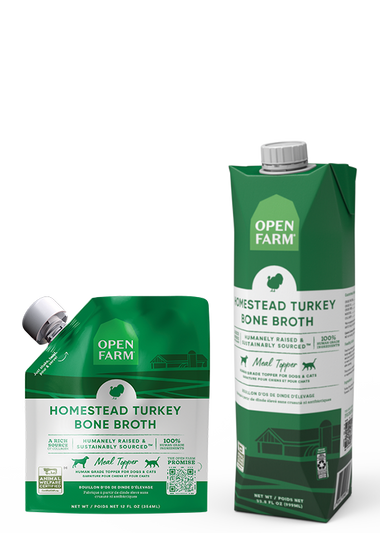
- Add a little bone broth to their kibble for an additional treat and texture change
- Keep feeding schedules consistent to encourage regular intake
Small changes often lead to better engagement at mealtime and more predictable habits.
Moisture as Part of Everyday Care
Hydration isn’t a one-time consideration—it’s part of daily care that adds up over time.
Because cats are biologically wired to obtain much of their water from food, prioritizing moisture through meals can feel less like an intervention and more like working with their natural instincts.
Understanding wet vs dry cat food plays a big role in making hydration part of every bowl—helping you support your cat’s needs in a way that feels balanced, thoughtful, and aligned with how cats were designed to eat.
This article is meant only as an example of what might work well for your pet, please reach out to our Pet Parent Experience Team if you have any questions about your pet’s own unique circumstances! To ensure these products are a good fit for your furry friend, we also recommend consulting your vet about any new diet, or environment changes, especially if there is a medical concern. They should be able to help as you and your vet know your pet’s medical history best!