











 Dog
Dog
 Cat
Cat

 Sign In
 Create Account


If you’ve ever watched your cat approach their bowl like a food critic—sniffing, pausing, reconsidering, and ultimately walking away—you’re not alone. Many cats have strong opinions about what they eat, and understanding those preferences can make a world of difference. Behind every “no thank you” moment is a sensory-driven decision: how the food smells, how it tastes, and how it feels in their mouth.
When you understand how these factors influence cat food palatability, choosing the best cat food for picky eaters becomes less of a guessing game and more of a thoughtful, cat‑centered strategy. Below, we’ll explore why some cats are selective, how flavour and texture shape their choices, and practical ways to support a healthy appetite—without turning mealtime into a daily standoff.
Why Some Cats Are Naturally Picky
Cats aren’t being dramatic for sport (even if it sometimes feels that way). Their selectiveness is rooted in instinct and early experiences. A few common reasons include:
- Strong sensory preferences: Cats rely heavily on smell and texture to evaluate food.
- Kittenhood imprinting: Cats often prefer the textures they were exposed to early in life.
- Routine and environment: Stress, changes at home, or even a new bowl can influence appetite.
- Natural neophobia: Many cats are cautious about unfamiliar foods or scents.
- Boredom: Eating the same thing every day can make some cats lose interest.
These factors aren’t concerns on their own, but they can make finding the best food for picky cats feel like a puzzle.
Aroma: The First, and Most Important, Signal
For cats, aroma is everything. They “eat” with their noses long before they taste anything. A food that smells rich, warm, and meaty is far more likely to earn approval.
Why aroma matters so much:
- Cats have a highly developed sense of smell.
- Warm food releases more scent molecules.
- Moisture-rich recipes tend to carry stronger aromas.
This is one reason many picky cats gravitate toward cat food with gravy—the aroma is amplified, and the moisture helps distribute flavour.
Try this: Warm your cat’s food slightly (just a few seconds). It boosts aroma and can make the meal more enticing.
Flavour: What Cats Actually Respond To
Cats don’t taste sweetness, but they’re extremely sensitive to amino acids—the building blocks of protein. This means they’re naturally drawn to foods with:
- High-quality animal proteins
- Natural meaty flavours
- Minimal fillers that dilute taste
When choosing picky cat food, look for recipes that list real meat, poultry, or fish as the first ingredient. Many cats also have strong protein preferences—your chicken‑lover may ignore turkey, and your tuna‑fan may reject beef.
Cat feeding tip: Rotate proteins occasionally. It keeps meals interesting and helps you learn what your cat truly loves.
Texture: The Hidden Deal‑Maker
Texture is often the real reason behind picky eating. Cats imprint on textures early in life, so a cat raised on pâté may reject shreds, and vice versa.
Common textures include:
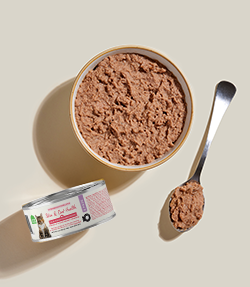
- Pâté: Smooth and easy to lap
- Shreds: Meaty and more “prey-like”
- Chunks in gravy: Moist, aromatic, and great for picky eaters
- Minced: Small bites that are easy to chew
If you’re working on improving cat appetite, experimenting with texture is usually quite effective.
Why Moisture Helps Picky Eaters
Many selective cats prefer foods with higher moisture content. Gravy, broth, and stews tend to be more aromatic and easier to eat, which naturally boosts palatability.
Moisture-rich foods can help:
- Enhance aroma
- Improve mouthfeel
- Encourage hydration
- Support overall appetite
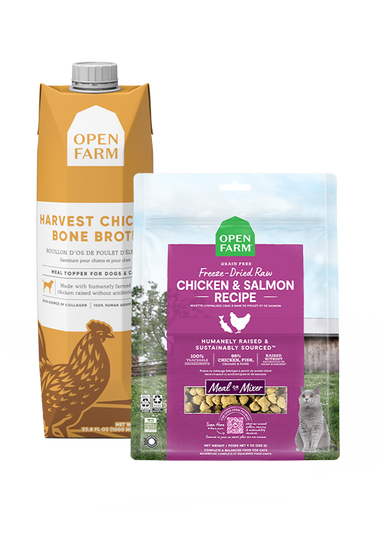
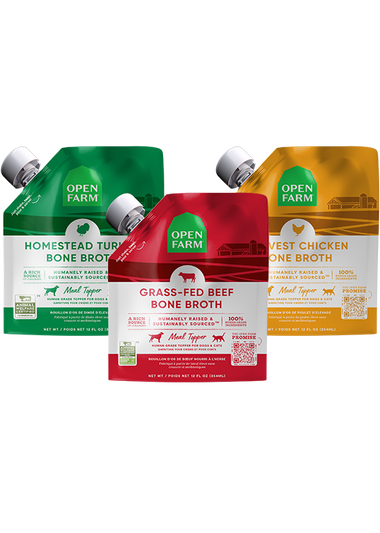
Adding a spoonful of warm water or pet-safe bone broth can also help increase interest in meals.
How to Choose the Best Cat Food for Picky Eaters
When evaluating the best food for picky cats, look for:
- High-quality animal proteins: Cats thrive on meat-first recipes.
- Transparent ingredient lists: Avoid vague terms like “meat by-products.”
- Moisture-rich options: Gravies, bone broths, and wet food often win over selective eaters.
- Variety packs: Great for discovering your cat’s preferred flavours and textures.
-
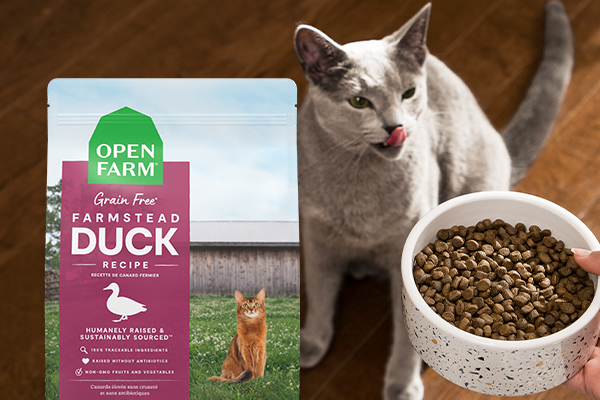
Responsibly sourced ingredients: Many pet parents prefer brands, like Open Farm, that prioritize sustainability and transparency.
Cat Feeding Tips to Encourage Better Eating
Here are simple strategies that can help support cat appetite support and make mealtime more enjoyable:
- Warm the food slightly to enhance aroma.
- Offer smaller, more frequent meals if your cat prefers grazing.
- Use a wide, shallow bowl to avoid whisker fatigue.
- Create a calm feeding environment away from noise or other pets.
- Add a little gravy or bone broth to boost moisture and flavour.
- Rotate textures and proteins to keep meals interesting.
- Try meal toppers like bone broth, fish toppers, or freeze-dried raw morsel crumbles for added appeal.
- Keep the feeding area clean as cats are sensitive to lingering smells.
These small adjustments can make a big difference in how your cat approaches their bowl.
Supporting Appetite Without Stress
Encouraging your cat to eat shouldn’t feel like a battle. By focusing on aroma, flavour, and texture—and observing your cat’s natural preferences—you can make mealtime smoother, more enjoyable, and more successful. With patience and a little sensory insight, you can help your picky eater feel more confident and excited about their food.
This article is meant only as an example of what might work well for your pet, please reach out to our Pet Parent Experience Team if you have any questions about your pet’s own unique circumstances! To ensure these products are a good fit for your furry friend, we also recommend consulting your vet about any new diet, or environment changes, especially if there is a medical concern. They should be able to help as you and your vet know your pet’s medical history best!