











 Dog
Dog
 Cat
Cat

 Sign In
 Create Account


What’s the first thing you think about when choosing pet food for your dogs or cats?
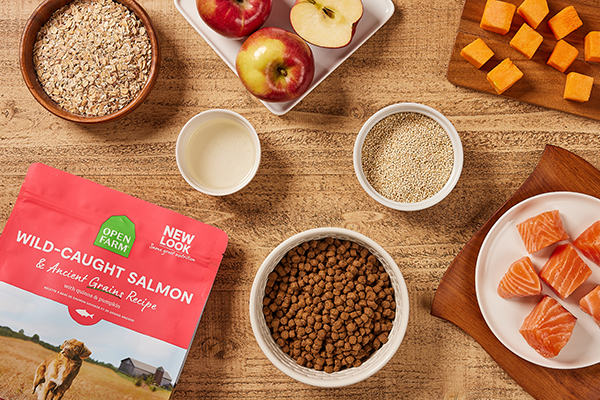
For most pet parents, it starts with nutrition—what’s in the recipe, how those ingredients are sourced, and whether the food reflects your values. Ingredients remain the foundation of every feeding decision.
Once you’ve found a brand you trust, another factor quietly influences how your pet experiences their meal: texture. From hearty dog food stews to silky cat food, texture affects aroma, taste, and overall enjoyment. And while it’s more of a preference than a nutritional driver, it can make a meaningful difference—especially for pets with picky tendencies.
Understanding how texture influences taste, aroma, and enjoyment can help you feel more confident about your feeding choices, especially if you’re a pet parent to a picky eater.
Why Texture Is More Than Just Mouthfeel
Texture affects how your pet interacts with its food from the moment it hits the bowl. The way food looks, smells, and feels can shape your pet’s interest and enthusiasm at mealtime. For lots of pets, especially those that prefer moisture-rich diets, texture can be the deciding factor between a bowl that gets wiped clean and one that gets shunned.
Wet food textures like chunks, shreds, stews, and gravies offer variety and sensory appeal. This is why many pet parents turn to soft dog food or gravy-based meals for cats when their pets seem uninterested in other options.
Exploring Popular Wet Food Textures
Not all wet foods are created equal. You now have more choices than ever when it comes to texture, allowing you to match your meal options with your pet’s preferences.
Dog Food Stews: Hearty and Homestyle
Dog food stews, like Open Farm’s Rustic Stews, are known for their thick, spoonable consistency and visible ingredients. These often feature tender meat pieces, vegetables, and a rich broth.
Stews can feel familiar and comforting, offering a texture that many dogs find appealing.
Stews are naturally moist and easy to chew, so they’re often considered among the best wet dog food textures for dogs that prefer softer meals. They also work well as standalone meals or as toppers mixed with dry food for added interest.
Cat Food in Gravy: A Feline Favourite
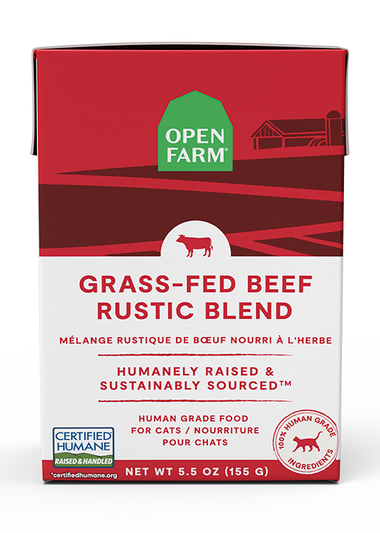
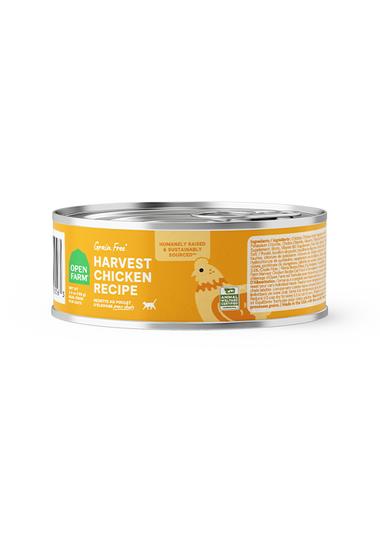
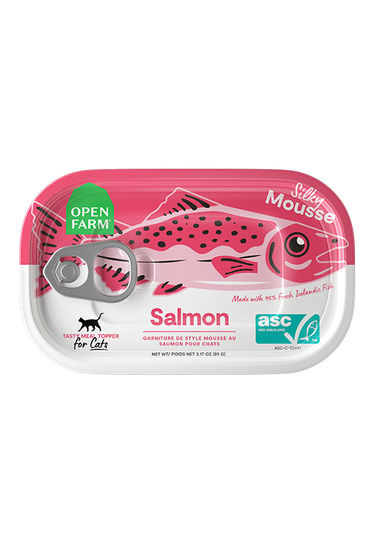
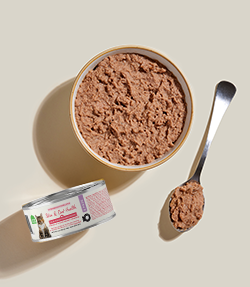
Cats are notoriously picky when it comes to food. For a lot of cats, texture counts as much as flavour does. Cat food in gravy, like Open Farm’s Morsels in Gravy, remains one of the most popular choices for felines, thanks to its smooth sauce and tender pieces.
Understanding cat food texture preferences is key when choosing meals for cats. Some cats prefer shredded meat in a silky gravy, and some may prefer smaller chunks in sauce. The added moisture and aroma of gravy-based foods often makes mealtime more enticing.
Texture and Picky Eaters: Finding the Right Match
If your dog or cat regularly turns its nose away from its bowl, you may want to give extra thought to texture. It’s often the missing piece of the culinary puzzle. Picky eater pet food is frequently designed with mixed textures because some pets eat better when they can choose between crunchy and soft pieces.
Some pets dislike dry or crumbly foods, while others may lose interest in foods that are too uniform. Switching things up can help. Try alternating between stews, gravies, and soft textures. This can help keep meals engaging without overcomplicating feeding routines.
Observing how your pet eats can offer valuable clues. Does your pet lick the gravy but leave the chunks? Do they eat wet food faster than kibble? These behaviours often point directly to texture preferences.
The Role of Texture in Pet Nutrition
Modern pet food focuses on quality sourcing and thoughtful preparation. Texture deserves consideration alongside ingredients and nutrition. Like people, your pets are also individuals and they have their own unique tastes and habits.
By offering a range of wet food textures, pet parents can choose meals that align with their pet’s natural preferences while still prioritizing responsibly sourced ingredients. Texture variety also allows you to rotate meals, keeping feeding routines interesting and satisfying over the long haul.
How to Choose the Right Texture for Your Pet
Choosing the right texture is simple with a few tips:
- Watch how your pet eats: Does your cat or dog eat its meals quickly? Faster eating and clean bowls often signal a good texture match.
- Start with Stews or Gravies: Stews and gravies are often a safe starting point for both dogs and cats.
- Introduce variety gradually: Rotate textures to discover favourites without overwhelming your pet.
-
Match texture to lifestyle: Busy pet parents may prefer easy-to-serve stews or soft foods that mix well with dry kibble.
Texture Is Part of the Whole Experience
Texture has become a defining feature of modern pet food, whether it’s hearty dog food stews or flavour-rich cat food in gravy. It shapes how your pets experience their meals. It also influences enthusiasm at feeding time, and helps you tailor food choices according to their preferences.
Pay close attention to pet food texture and you’ll gain valuable insight into your pet’s unique tastes. You can then create mealtimes that are enjoyable.
In today’s pet food landscape, texture isn’t just a detail—it’s part of what makes a meal truly satisfying.
This article is meant only as an example of what might work well for your pet, please reach out to our Pet Parent Experience Team if you have any questions about your pet’s own unique circumstances! To ensure these products are a good fit for your furry friend, we also recommend consulting your vet about any new diet, or environment changes, especially if there is a medical concern. They should be able to help as you and your vet know your pet’s medical history best!